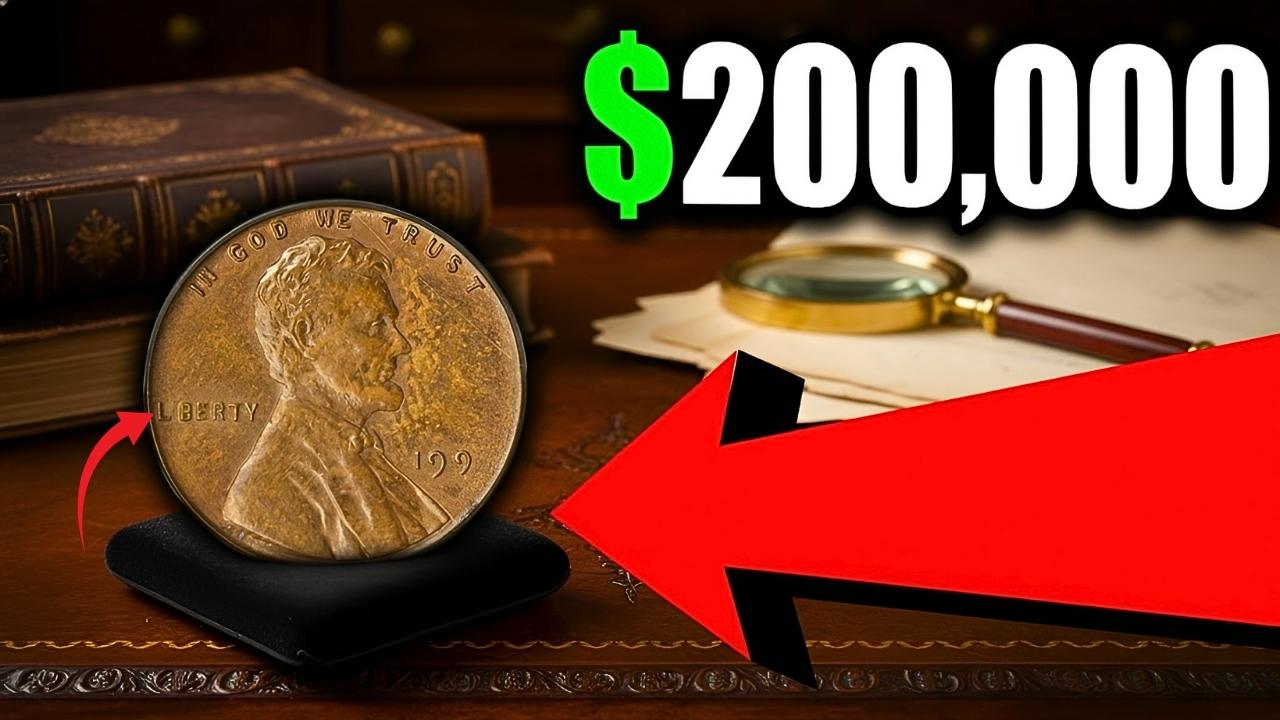
Many people carry coins every day without realizing that some of them could be worth a small fortune. Over the years, collectors and investors have discovered that coins once considered ordinary can carry significant value due to rarity, minting errors, historical significance, or limited production. With a little knowledge and careful observation, even coins found in everyday pocket change can turn into valuable collectibles.
What Makes Common Coins Valuable?
Not all coins gain value over time, but certain factors can increase a coin’s worth. Age is an important aspect, as older coins are often scarcer, especially in excellent condition. Coins with limited mintages or those from discontinued series tend to be more desirable among collectors. Minting errors, such as double strikes, off-center designs, or misprinted dates, also significantly enhance a coin’s value.
The material of the coin can play a role as well. Coins made from silver, gold, or other precious metals are often more valuable than modern alloys. Finally, historical significance, such as commemorative coins or coins issued during important events, can further increase their collectible appeal. Collectors seek these coins not only for their monetary value but also for the story they tell about history and craftsmanship.

When Did Coins Become Valuable Collectibles?
Coin collecting has been a popular hobby for centuries, but it gained widespread attention in the 20th century. Modern collectors now study mints, historical periods, and production errors to identify coins with high value. Even coins minted in the 20th century or early 21st century can hold surprising worth if they meet certain criteria.
Coins from popular series, such as Lincoln cents, Washington quarters, or Jefferson nickels, are often studied carefully for variations and errors. Many collectors have discovered that coins circulating in daily transactions sometimes hide rare varieties that are worth significantly more than their face value. The rise of online marketplaces and numismatic auctions has also made it easier to sell and value rare coins.
How to Identify Valuable Coins
Identifying coins with potential value requires attention to detail. Checking the date, mint mark, and overall condition is a good starting point. Coins that appear worn, damaged, or common usually hold standard value, but those in better condition or with specific errors may be worth much more.

Using magnifying tools can help examine fine details such as doubled dies, misaligned designs, or missing elements. Reference guides and online databases provide information about rare coins and their market value. Consulting with professional coin graders or reputable numismatic experts ensures accurate evaluation and authentication, which is essential for high-value coins.
What Are Some Examples of Valuable Common Coins?
Several coins are surprisingly valuable despite their common appearance. Lincoln Wheat Cents, especially those from the early 1900s with mint errors, can be worth hundreds or even thousands of dollars. Certain Roosevelt dimes from the mid-20th century, especially silver versions, are highly collectible.
Washington quarters with specific minting errors, such as doubled dies or rare mint marks, can command significant sums at auction. Jefferson nickels, especially those from wartime issues made of silver, have become highly desirable. Additionally, coins from commemorative series or limited editions can fetch impressive prices depending on rarity and condition.
Even some modern coins carry value. Errors such as misprints or unusual strikes in recent coins are attracting collectors who are willing to pay top dollar. Many of these coins remain hidden in pockets, drawers, and old coin rolls, waiting to be discovered by observant collectors.
Why Should You Check Your Pocket Change?
Checking everyday coins for rare varieties is an enjoyable and potentially profitable hobby. You might be surprised at what is hiding in rolls of coins or among loose change. While not every coin will hold value, even finding a single rare example can be exciting and financially rewarding.
Collectors often emphasize the thrill of discovery. Holding a coin that is rare, historically significant, or minted incorrectly connects the owner to history while offering the potential for investment growth. It is also a fun activity that combines history, research, and attention to detail.

Key Highlights
- Coins gain value due to rarity, minting errors, age, and historical significance
- Certain Lincoln cents, Roosevelt dimes, Washington quarters, and Jefferson nickels are highly collectible
- Magnifying tools, reference guides, and professional grading help identify valuable coins
- Modern coin errors are increasingly sought after by collectors
- Checking pocket change and coin rolls can reveal hidden treasures
Final Words
Many people overlook the coins they carry every day, but with a little knowledge and careful observation, even common coins can become valuable collectibles. From early 20th-century pennies to modern coin errors, opportunities exist for discovery and profit. Whether you are a seasoned collector or a curious hobbyist, exploring coins in circulation offers a rewarding experience that blends history, excitement, and potential financial gain. By learning to identify valuable coins and understanding the factors that influence their worth, you can turn everyday pocket change into a source of intrigue and value.