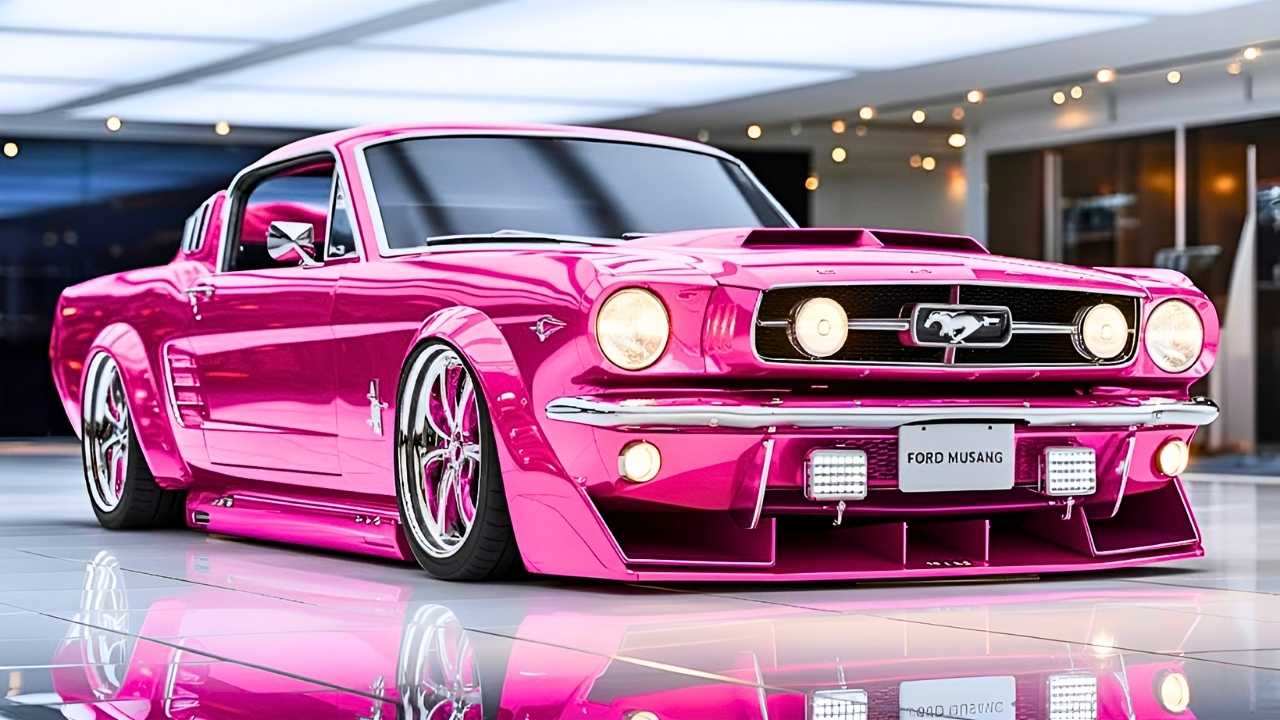
The 1965 Ford Mustang occupies a legendary place in American automotive history. Launched during a time when drivers sought style, performance, and affordability all in one machine, the Mustang emerged as a cultural icon that reshaped consumer expectations. Its arrival sparked the birth of the pony car segment, setting benchmarks that influenced carmakers for decades. This car was more than metal and horsepower; it was a symbol of freedom, individuality, and American ingenuity. The 1965 model stands out in particular because it refined the concept introduced in 1964, offering improvements that made it one of the most beloved Mustangs ever produced.
A New Vision for American Drivers
When Ford introduced the Mustang, it intended to create a car that would appeal to younger drivers, newly formed families, and anyone seeking a vehicle that looked sporty without the high cost associated with performance cars. The 1965 Mustang embodied this concept perfectly. It came with a long hood, short deck, and athletic stance that instantly caught attention. Its proportions were sleek yet approachable, giving drivers a sense of excitement before they even turned the key. This was not just another car available at dealerships; it was a machine that promised adventure and individuality.
Styling That Defined a Generation
The Mustang’s design became one of its greatest strengths. The 1965 model showcased sharp lines, a signature grille with the galloping horse emblem, and a clean overall appearance. Ford offered the car in multiple body styles, including coupe, convertible, and the fastback, each tailored to appeal to different lifestyles. The fastback version, in particular, would later become a favorite among racing enthusiasts for its aerodynamic shape. The interior was equally appealing, offering a driver-focused layout, bucket seats, and a range of customizable options that made every car feel personal. Buyers could choose from various trims, colors, and features, allowing them to tailor the Mustang to their personality.

Performance That Matched Its Looks
While the Mustang was designed to be affordable, it did not compromise on performance. The 1965 model came with a range of engine options, allowing customers to pick the power level that suited them best. The base inline-six engine provided efficient everyday driving, while the V8 options delivered thrilling acceleration and a deeper, more satisfying exhaust note. The availability of the GT package transformed the Mustang into a true performance machine. This package included upgraded suspension, dual exhausts, front disc brakes, and unique styling touches. With the right configuration, the 1965 Mustang could hold its own on the road or the racetrack, making it popular among hobby racers and weekend drivers alike.
A Marketing Strategy That Changed Everything
Part of the Mustang’s success came from Ford’s innovative marketing approach. The company positioned the car as something aspirational yet accessible, targeting younger buyers through advertising that emphasized independence and modern lifestyle. Ford also introduced the car at the World’s Fair and used celebrity endorsements and television appearances to showcase its appeal. This strategy created a level of excitement rarely seen in the automotive world. As a result, the Mustang quickly became a cultural phenomenon, appearing in movies, music, and magazines. Its popularity soared, and sales numbers surpassed expectations, proving that Ford had tapped into something special.
The Mustang as a Cultural Icon
The 1965 Mustang did more than boost Ford’s sales; it became woven into the fabric of American culture. It appeared in films that cemented its place in pop culture, and it became the car of choice for countless drivers who wanted to express themselves through their vehicle. The Mustang symbolized youth, rebellion, and open roads, and its timeless styling ensured that it never felt outdated. Many drivers who owned a Mustang in the 1960s still remember the sense of pride and excitement that came with it, and younger generations continue to admire the car as a classic piece of automotive history.

Lasting Impact on the Automotive Industry
The Mustang’s success prompted competing manufacturers to develop their own sporty, affordable cars, leading to the creation of what became known as the pony car category. Vehicles like the Chevrolet Camaro and Dodge Challenger emerged as direct competitors. The influence of the Mustang extended beyond design; it changed how cars were marketed, customized, and perceived by the public. The 1965 model represents a key turning point in this transformation, refining features that helped define what a pony car should be. Over the decades, the Mustang continued to evolve, but the spirit of the 1965 model remains a reference point for enthusiasts and designers alike.
Why the 1965 Mustang Still Matters Today
Collectors and automotive fans hold the 1965 Mustang in high regard because of its historical significance, enduring aesthetic appeal, and mechanical simplicity. It is a car that captures the imagination, whether seen at car shows, cruising on highways, or restored in home garages. The availability of aftermarket parts and restoration services makes it easier to maintain or rebuild a 1965 Mustang, ensuring that this classic continues to thrive on modern roads. Its blend of design, performance, and cultural influence keeps the car relevant decades after its debut.
Conclusion
The 1965 Ford Mustang remains one of the most influential cars in American automotive history. Its combination of style, affordability, and performance reshaped the market and captured the spirit of an entire generation. More than just a car, it became a cultural symbol that represented freedom and individuality. Even today, it continues to inspire admiration from enthusiasts and casual observers alike. The Mustang’s legacy endures because it was built on a foundation of innovation, passion, and an understanding of what drivers truly wanted.

Disclaimer
This article is for informational and educational purposes only. It does not serve as professional automotive advice, and readers should consult qualified experts for detailed guidance on vehicle restoration, maintenance, or purchasing decisions.