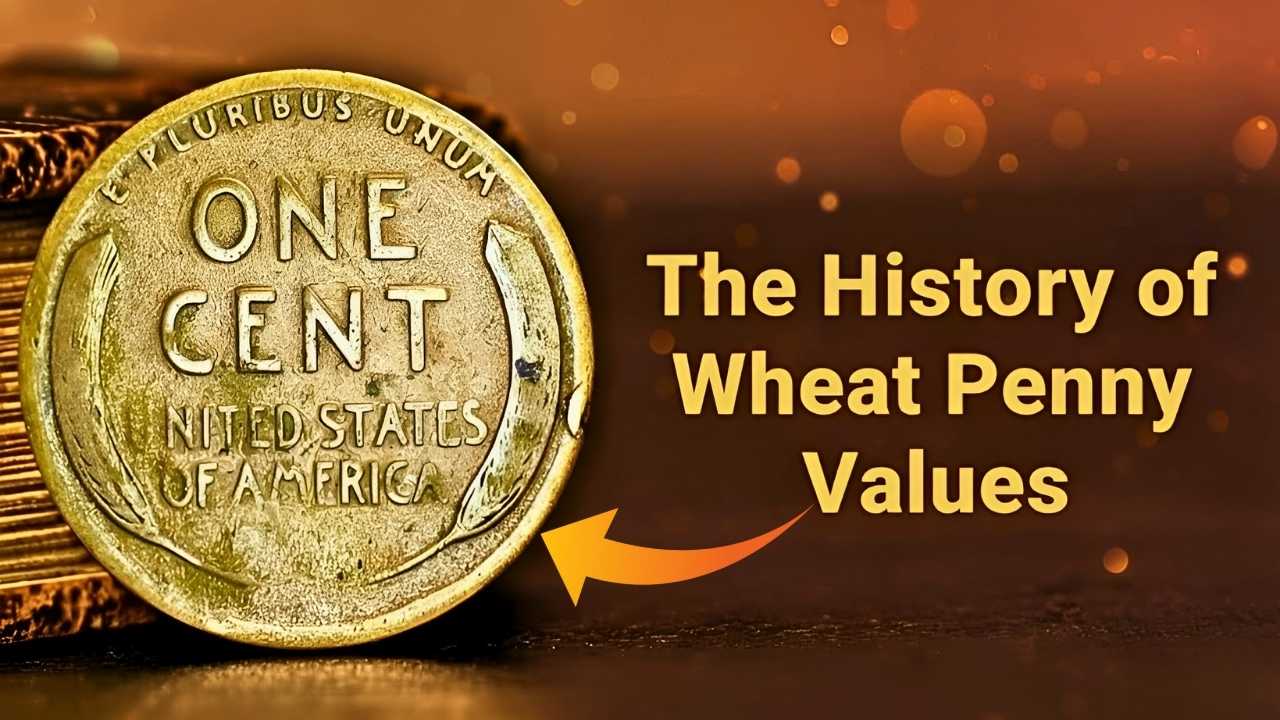
Wheat pennies, minted from 1909 to 1958, remain one of the most iconic and collectible coins in American history. Their nostalgic design, combined with historical significance, has made them a favorite among seasoned numismatists and beginner collectors alike. Over the decades, the value of Wheat pennies has shifted dramatically due to factors such as rarity, condition, mint marks, errors, and collector demand. While some coins remain easy to find and hold modest value, others have appreciated into the hundreds or thousands of dollars. Understanding the history of Wheat penny values helps collectors appreciate how economic trends, coin availability, and public interest shape the market.
Key Highlights
Wheat penny values have changed significantly from the early 20th century to today
Rarity, mint marks, and errors play major roles in determining market prices
1943 steel pennies and early Lincoln issues drive high collector demand
Values continue to rise as more collectors enter the hobby and supplies decrease
What is the Origin and Early Value of Wheat Pennies?
The Wheat penny was introduced in 1909 to commemorate the 100th anniversary of Abraham Lincoln’s birth. This marked the first time a real historical figure appeared on a circulating U.S. coin. Designed by Victor David Brenner, the penny featured Lincoln’s portrait on the front and two wheat stalks on the reverse, symbolizing unity and prosperity. When they first entered circulation, Wheat pennies had no collectible premium. They were simply everyday currency used for groceries, stamps, and daily purchases. However, certain early issues, such as the 1909-S VDB and the 1914-D, stood out as low-mintage coins that would eventually command much higher values as collectors discovered their scarcity.

When Did Wheat Penny Values Begin to Increase?
Wheat pennies began gaining attention in the 1930s and 1940s as coin collecting became more popular in the United States. Children and families often saved pennies in jars or books, unknowingly preserving coins that would become rare treasures decades later. By the 1950s, some Wheat pennies were already being priced at a premium by dealers, especially those from San Francisco or Denver with limited production. The increased demand for complete Lincoln cent collections encouraged collectors to seek out missing dates and mint marks, helping to push values upward. The rarity of certain early dates created natural market pressure, making these coins more desirable over time.
How Did World War II Influence Wheat Penny Values?
World War II played a major role in shaping the value of Wheat pennies, especially with the introduction of the famous 1943 steel penny. During the war, copper was needed for ammunition and military equipment, so the U.S. Mint produced pennies from zinc-coated steel. These coins quickly became a unique historical artifact, and their unusual material made them popular among collectors. At the same time, some accidental copper Wheat pennies from 1943 and 1944 slipped into circulation. These mistakes turned into some of the most valuable pennies ever, with certain examples selling for tens of thousands of dollars. World War II thus created a new category of rare pennies that dramatically influenced long-term values.
What Major Changes Occurred After Wheat Pennies Were Discontinued?
When the Wheat penny design was replaced by the Lincoln Memorial reverse in 1959, Wheat pennies began transitioning from currency into collectibles. Millions were still in circulation, but many were stored in coin jars, boxes, and albums. By the 1970s and 1980s, Wheat pennies became harder to find in pocket change, creating nostalgia-driven demand. Coin shops began offering higher prices for key dates and uncirculated rolls. The growing hobby of coin collecting, along with rising interest in historical coins, caused values of certain Wheat pennies to climb steadily. Coins like the 1922 No D, the 1917 doubled die, and early low-mintage dates became centerpieces for collectors.
How Have Wheat Penny Values Shifted in the 21st Century?
In recent decades, Wheat penny values have experienced renewed growth. Online auctions, digital marketplaces, and coin forums have made buying and selling easier than ever. This increased visibility has brought more collectors into the market and driven demand for rare varieties. Key-date Wheat pennies in high grades have seen consistent price increases, partly because fewer exist in pristine condition. The rise of professional grading services has also influenced market stability by identifying authentic coins and providing consistent grading standards. As a result, well-preserved Wheat pennies continue to appreciate, especially those with historical errors or low mintages.
When Should Collectors Buy or Sell Wheat Pennies?
Buying or selling Wheat pennies depends on market trends, collector goals, and the specific coin’s rarity. For investors, coins with low mintage, high appeal, or known errors are more likely to appreciate. Selling during times of high hobby interest, such as during coin market booms, can provide higher returns. Meanwhile, collectors who enjoy the historical aspect may prefer to hold onto their coins long-term. Monitoring auction results and price guides is essential for making informed decisions. Proper grading and certification also help increase a coin’s selling potential.
How to Preserve the Value of Your Wheat Penny Collection?
Preserving Wheat pennies is essential for maintaining their value over time. Coins should be stored in protective holders or albums to prevent scratches, corrosion, and discoloration. Avoid touching coins directly with bare hands, as oils can damage the surface. Keeping coins in a cool, dry environment prevents deterioration from humidity. For rare coins or those intended for investment, professional grading from reputable companies can significantly increase trust and value among buyers. Good care ensures that Wheat pennies remain attractive, well-preserved assets for future generations.
Final Words
The history of Wheat penny values is a reflection of changing collector interest, economic trends, and the natural scarcity that develops as coins age. From their early days as common pocket change to their current status as beloved collectibles, Wheat pennies have proven their enduring appeal. Their values have shifted over time, with rare dates, special mint marks, and error coins leading the market. As more collectors recognize the charm and historical significance of these coins, their demand continues to grow. Whether collected for history, investment, or personal enjoyment, Wheat pennies remain an important part of American numismatic heritage.